IAN KIRSWeb & AI
Alongside my architectural practice, I create websites, web services, client portals, and internal work systems. I can modernize an existing product, connect forms, data, documents, and notifications, automate repetitive processes, and add AI where it provides clear value. The goal is to solve a specific problem and build a system that is practical to use and can grow over time.
Selected Web & AI projects
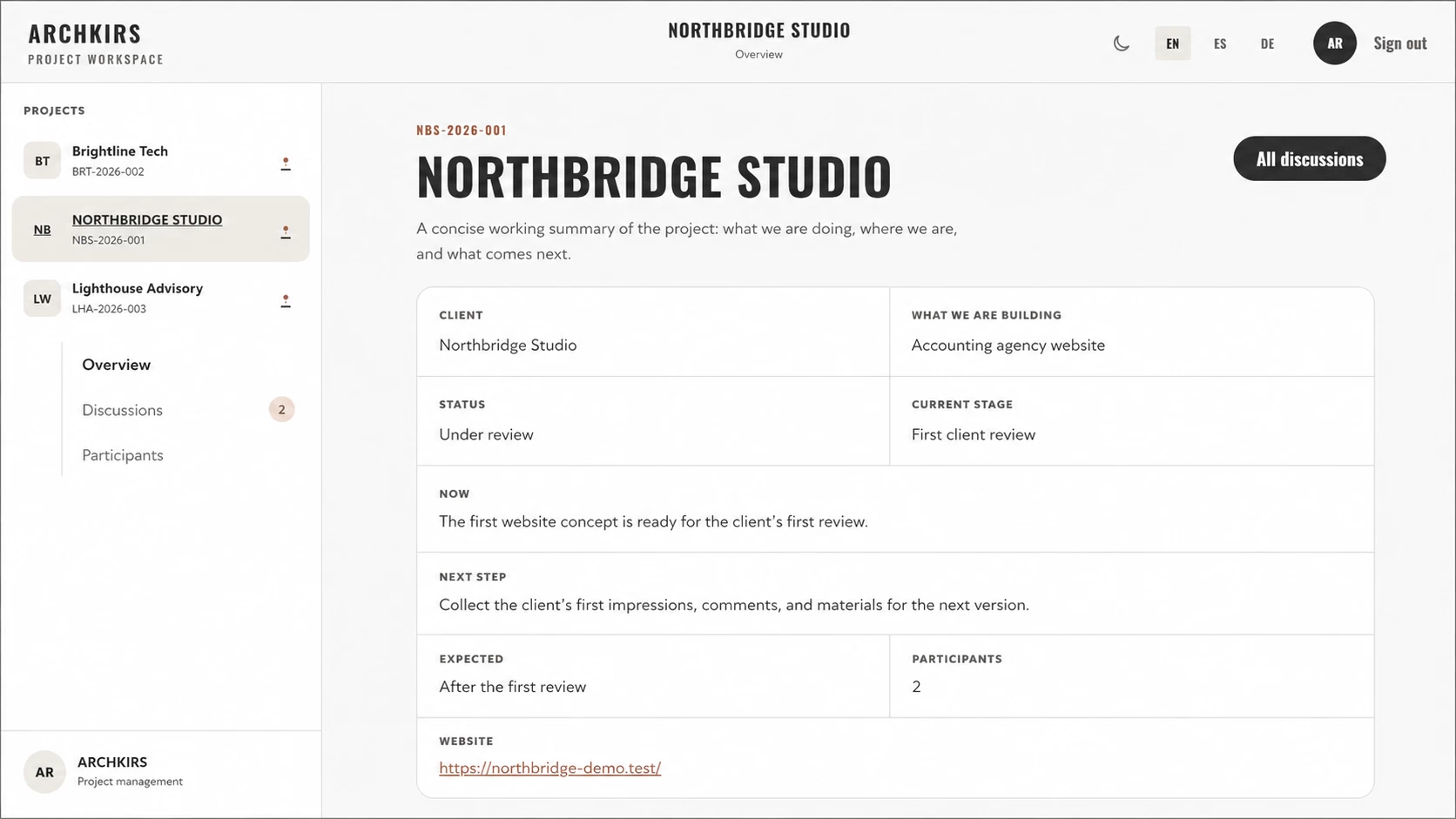
The case studies show more than visual design: they explain the problem, the system behind the interface, what was implemented, and the practical value for the user or business.
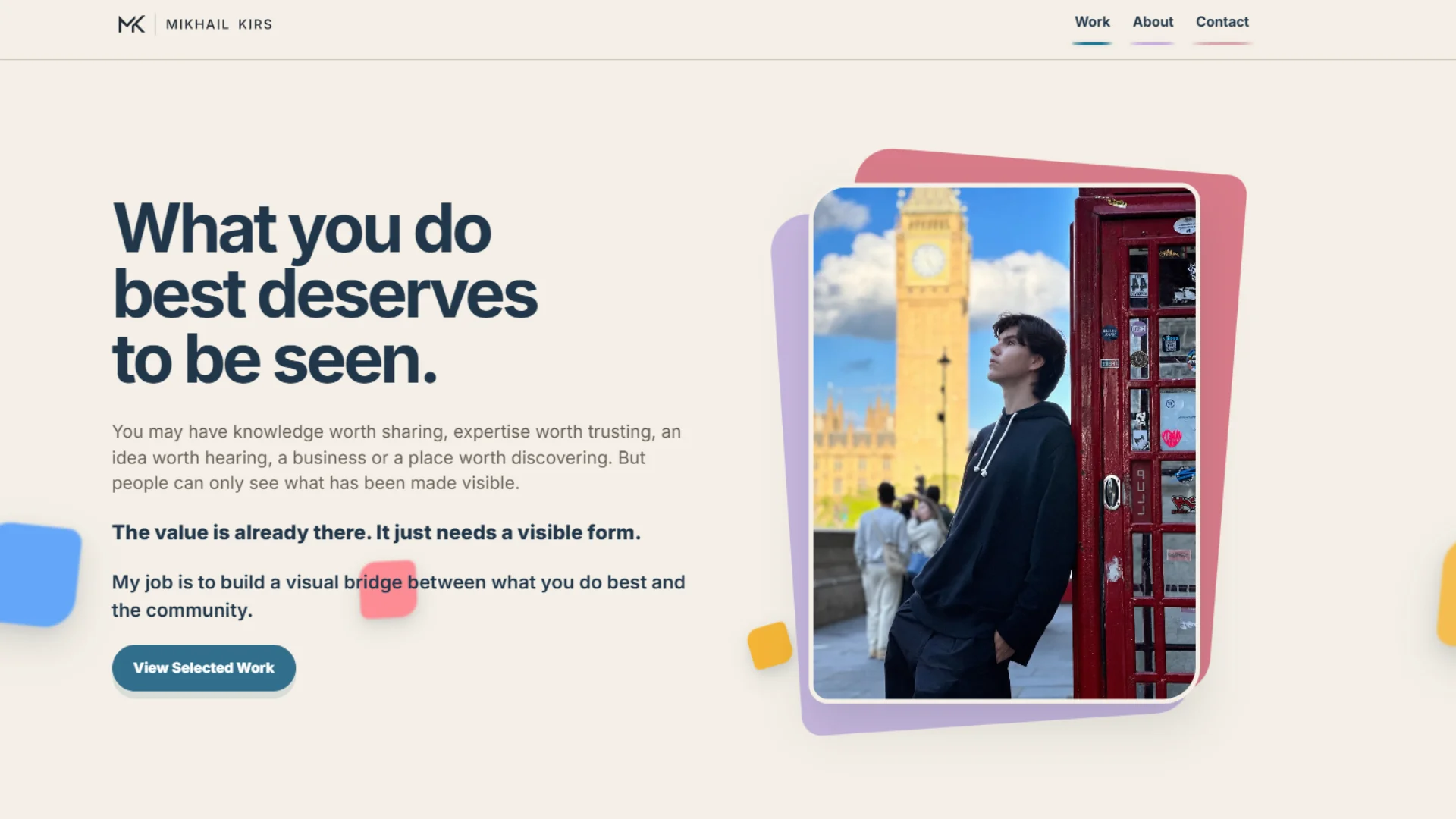
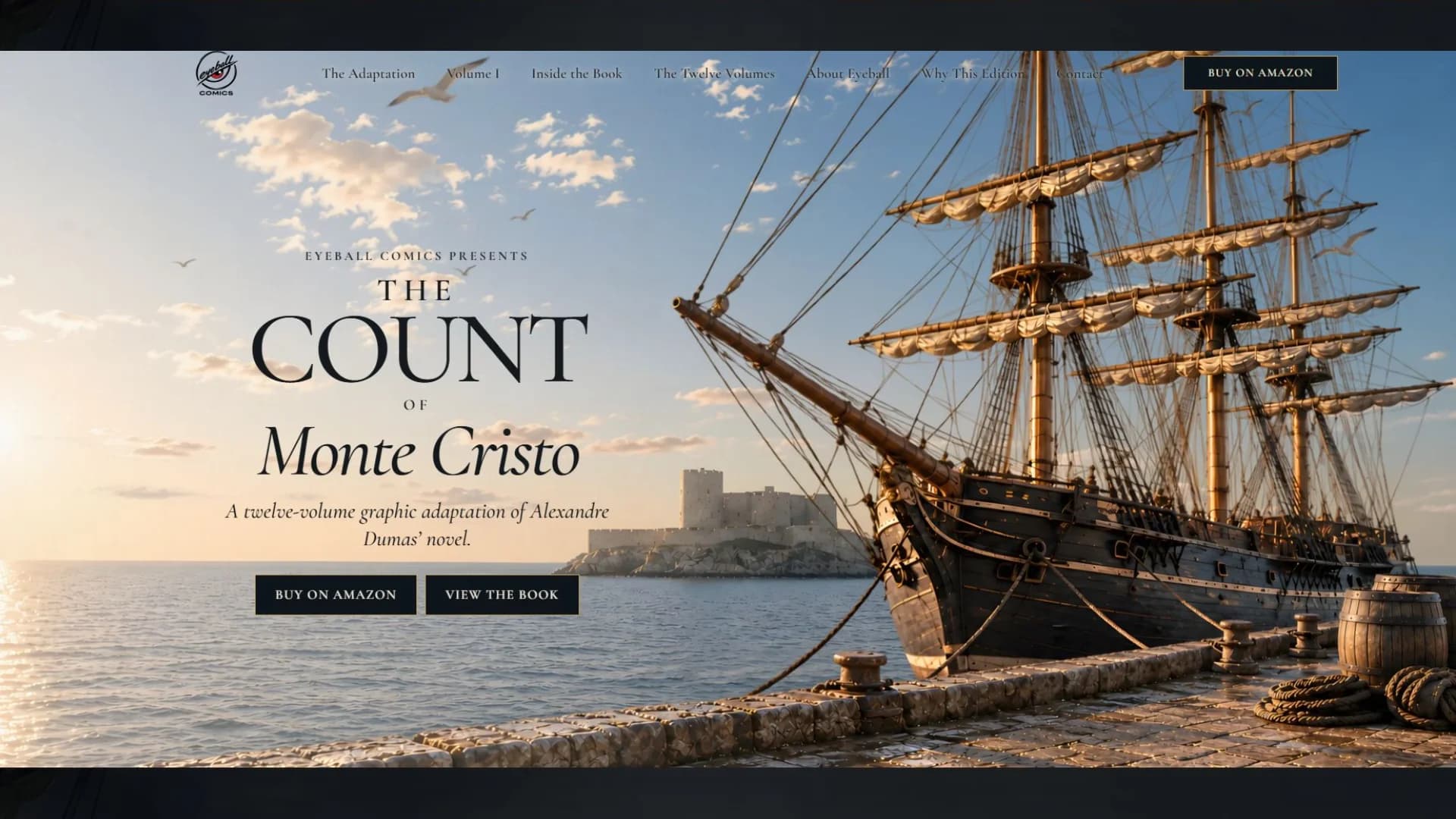
Eyeball Comics - The Count of Monte Cristo
Launch microsite for a twelve-volume graphic adaptation
- Web Development
Services
 01
01Websites & web services
I build solutions at different scales - from landing pages, portfolios, and corporate sites to specialized web services with forms, data, and application logic.
 02
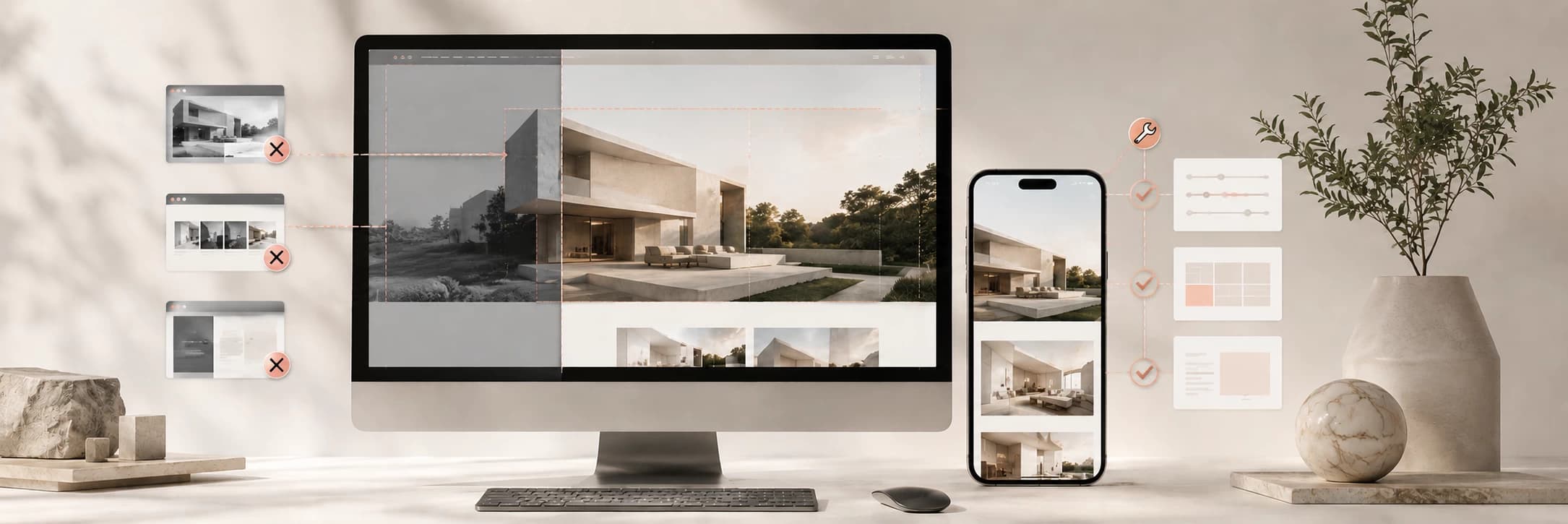
02Website fixes & modernization
I fix mobile and responsive layouts, usability problems, forms, technical defects, and outdated parts of existing websites without forcing a full rebuild.
 03
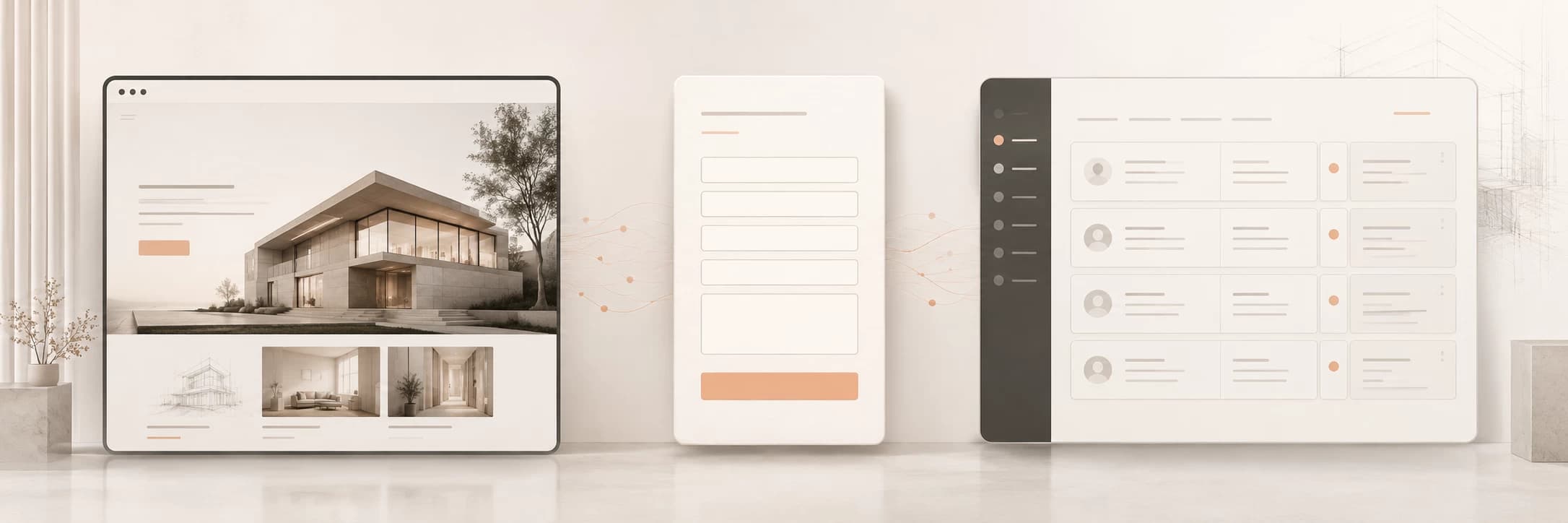
03Client portals & internal tools
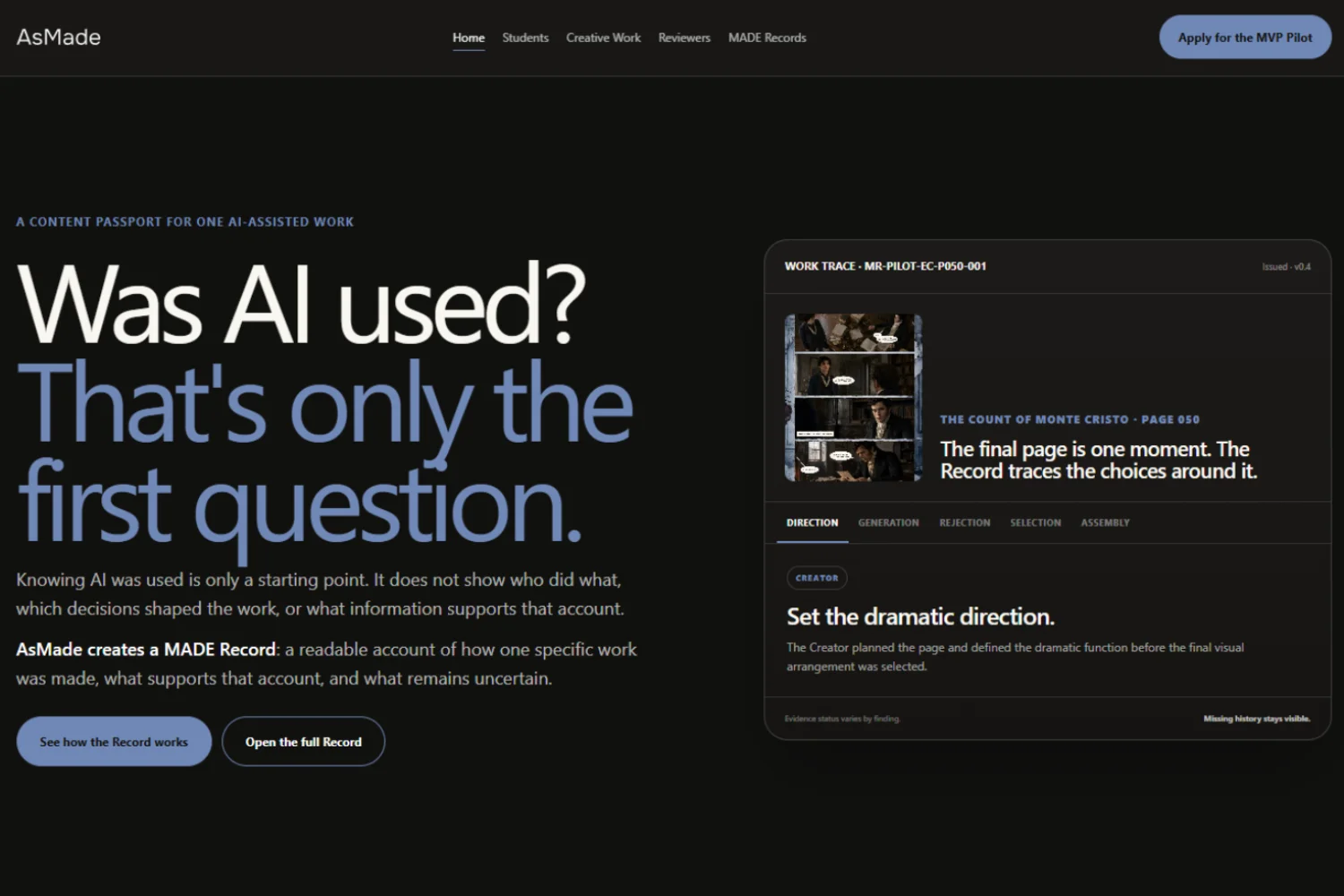
I develop protected accounts and workspaces for clients and teams: projects, roles, documents, discussions, statuses, and access to the right information without exposing the internal admin area.
 04
04Automation & integrations
I connect forms, databases, notifications, documents, and repetitive actions into one workflow. AI is added only where it provides clear value and remains controlled by the system.
PROJECT ESTIMATOR
Estimate your Web & AI project
Answer a few plain-language questions to get a preliminary project brief, price treatment and development window. No technical knowledge is required.
Guides for common decisions
Short practical guides for questions that usually come before a website, portal, or automation project.
- 01
What should happen after a customer submits a contact form?
A practical guide to turning website enquiries into structured intake, qualification, notifications, client or project records, and a clear next action.
- 02
Redesign the existing website or build a new one?
A decision guide for choosing between website modernization and a full rebuild based on technical health, content, user journeys, integrations, and future maintenance.
- 03
When does a service business actually need a client portal?
A practical guide to deciding whether client work needs a protected portal or whether email, shared documents, and a simpler workflow are enough.
- 04
What should be automated - and what should stay manual?
A practical framework for choosing between deterministic automation, AI-assisted steps, and human decisions in a service-business workflow.
- 05
Can I modernize my website without losing Google rankings?
A practical guide to redesigning, rebuilding, or moving an existing website while preserving valuable URLs, content, internal links, redirects, and search visibility.
Common questions
A few direct answers before deciding whether a Web & AI project is actually needed.
Do I need a completely new website?
Not necessarily. If the existing structure, content, URLs, and technical base are still useful, focused modernization can be safer and more efficient than a rebuild. A rebuild makes more sense when the foundation itself blocks the required changes.
Can ARCHKIRS improve an existing website?
Yes. Existing websites can be reviewed and improved without assuming a rebuild: responsive layouts, usability, forms, technical defects, content structure, enquiry flows, and selected integrations can all be addressed separately.
Do I need a client portal?
Only if it solves a recurring coordination problem such as project context, documents, versions, approvals, participants, status, or controlled access. For simple client work, email and well-organized shared documents may be the better solution.
Can AI be added to an existing workflow?
Yes, but only where it adds clear value. AI is useful for genuinely unstructured work such as summarization, translation, or evidence-bounded questions. Exact calculations, permissions, fixed routing, and other deterministic rules are usually better handled without AI.
What happens after I complete the Project Estimator?
After you submit the estimator, I review the details and reply to the email you provided. If anything is unclear, I will ask follow-up questions. The estimate is preliminary; final scope, price, timing, proposal, and agreement are confirmed separately.
How do you decide what should be automated?
I look at frequency, clarity of the rule, cost of an error, and whether the result can be audited. Repetitive and deterministic steps are strong candidates; judgement, exceptions, and commercial commitments normally stay human-controlled.
Can a project start small and grow later?
Yes. A focused first stage is often preferable when it can solve a real problem on its own. The system can then expand only when additional workflows, data, integrations, or client-facing functions are justified.
Need a website, portal, or internal digital tool?
Briefly describe the problem, what already exists, and which process needs to improve. I’ll reply with whether I can help and what the next step should be.
Discuss a project